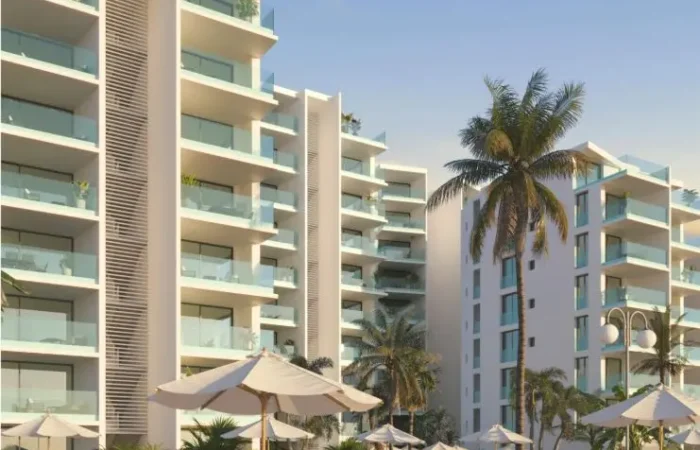
Bergamo hotel development is moving forward with the creation of a new four-star superior property on part of the former Migliavacca paint factory site. The project forms part of a wider urban regeneration initiative that is transforming a former industrial area into a modern mixed-use destination. Developers plan to open the hotel at the beginning of next year, adding new hospitality capacity to the city.
The new property will offer 35 rooms and complement the expansion of the nearby Sportpiù Club on Via Baioni. At the same time, the sports complex will significantly increase its facilities. The project will introduce larger gym areas, expanded changing rooms, a new swimming pool, and 150 parking spaces. Consequently, the development aims to serve both visitors and local residents.
The initiative follows the demolition of several outdated buildings that previously occupied the site. Furthermore, the redevelopment aligns with urban regeneration policies promoted by the Lombardy regional government. The Gamba family, which manages the Sportpiù City Club network in Bergamo, leads the investment through a group of affiliated companies. However, the total value of the investment has not been disclosed.
Architect Mario Cassinelli and his MCA studio oversee the design process. In addition, the project emerged through ongoing discussions with the Brescia Superintendency to ensure compatibility with planning and heritage requirements. Sustainability also plays a central role in the development strategy.
The design incorporates ventilated façades, durable natural materials, and renewable energy systems. Moreover, the project includes several solutions aimed at reducing energy consumption and improving environmental performance. As a result, the Bergamo hotel development combines hospitality growth with sustainable construction principles.
Through this transformation, the former industrial site gains a new purpose while contributing to the city’s broader regeneration efforts. Ultimately, the Bergamo hotel development highlights how private investment can support urban renewal, create new hospitality infrastructure, and enhance local services within a rapidly evolving district.